

Biological Weed Control
Biological control of weeds is broadly defined as the use of an agent, a complex of agents, or other biological processes to bring about weed suppression. Examples of biological control agents include, but are not limited to plant pathogens (fungi, bacteria, viruses), arthropods (mites and insects), fish, birds, and other animals who consume undesired weedy plants.
Roadside Weed Management:
Maintaining roadsides is important for safety and aesthetics. Tall weeds can become dangerous, potentially obscuring visibility, particularly at intersections. State departments of transportation and county highway departments regularly work to combat and eliminate invasive plants and noxious weeds. Using herbicides to control unwanted vegetation along roadsides provides many safety and savings benefits.
Utility Vegetation Management:
When vegetation encroaches on infrastructure such as power lines, railways, and generators, it can cause hazards and service disruptions, negatively impacting communities’ safety and convenience. To keep hazardous brush from affecting areas surrounding electrical infrastructures or utility assets, vegetation control management often involves using herbicides. Controlling vegetation not only minimizes the potential for hazards and pest proliferation, but also provides sustainable ecosystems for geographically diverse species, including those that are threatened or endangered.
Park and Golf Course Weed Management:
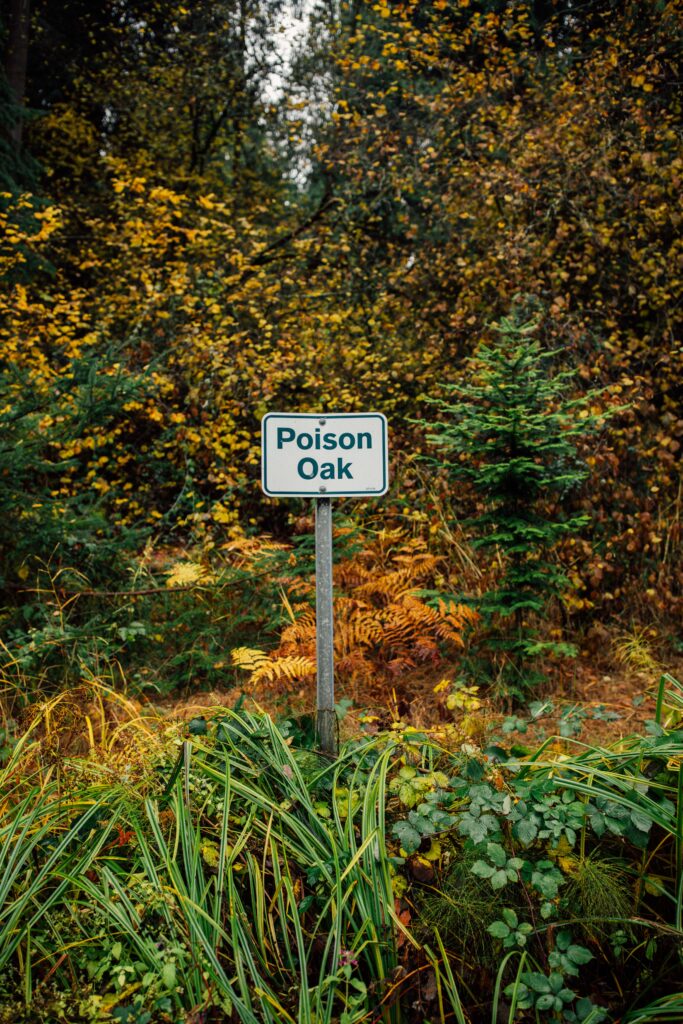
Park and golf course owners have to think about more than just the appearance of their course. They also have to consider safety. Weeds can pose serious hazards if not controlled. Some weeds can cause allergic reactions or skin irritations. Others, like poison oak, can cause more serious health problems. Using herbicides for weed prevention helps to create a safe environment for everyone. By engaging in weed prevention, golf courses can save money and time while still providing safe, beautiful environments for their patrons.
Forestry:
Forest landowners use herbicides and other practices to prepare forestland for tree planting and to control competing weeds that hinder survival and growth of young trees. They also use herbicides to control invasive noxious weeds, such as Scotch broom, Himalayan blackberry, and Japanese knotweed. These weeds can displace native species, encroach on roads and streams, and lower the quality of habitat for wildlife. Noxious weeds can also increase the risk of wildfires. Herbicide applications are done via aerial (helicopter, fixed-wing or unmanned aircraft system, aka drone), ground equipment or by hand.
Residential Weed Management:
Weeds can be major pests of home lawns and can detract from the natural beauty of desirable grasses. Many weeds can quickly become the dominant species in a lawn. Even with regular mowing, if left unchecked, the weeds in your garden can destroy the patch of land that you spent so much time tending. Herbicides are one component of a residential weed control program. A selective herbicide controls certain plant species without seriously affecting the growth of other plant species. The majority of herbicides used in home lawns are selective herbicides.
Invasive Species Control:
Biological diversity and protection of endangered species includes plants which are threatened by invasive, weedy competing plant species. Three broad categories cover most invasive plant control: biological, chemical, and mechanical. Mechanical control means physically removing plants from the environment through cutting or pulling. Chemical control uses herbicides to kill plants and inhibit regrowth. Biological controls use plant diseases or insect predators, typically from the targeted species’ home range. Techniques and chemicals used will vary depending on the species. Herbicides are among the most effective and resource-efficient tools to treat invasive species. Most of the commonly known invasive plants can be treated using only two herbicides—glyphosate (the active ingredient in Roundup and Rodeo) and triclopyr (the active ingredient in Brush-BGone and Garlon).